






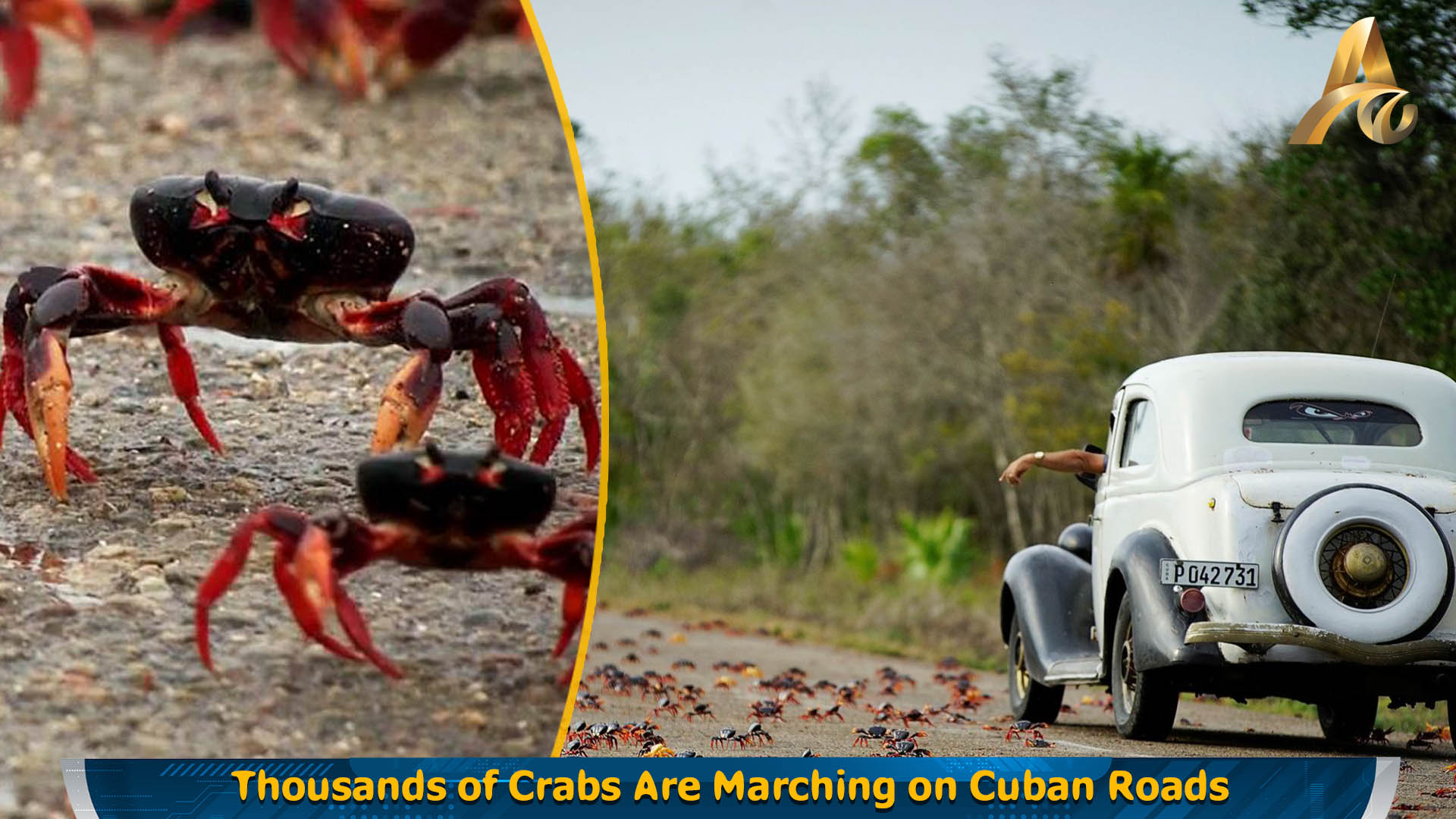








INTERNATIONAL: Swarms of crabs emerged near the Cuban city of Matanzas on Thursday ,March 24,after its numbers dramatically increased during the two years of reduced traffic during the pandemic.
As spring rains arrived, millions of red, yellow and black land crabs started their migration from the forest to cross the road and down to the bay to spawn in the sea.
Most years, thousands fall victim to the tires of passing motorists. But for the past two years, the crabs have had the place to themselves, residents say, boosting in size and numbers.
Scientists have yet to confirm initial reports of a pandemic-induced recovery, but Reinaldo Santana, a scientist with Cuba's Environment Services Center, has said the onslaught of crabs this year speaks for itself.
"This density of crabs possibly responds to the little traffic flow that there was due to COVID. That transportation was quite limited, people spent a lot of time at home, and it is very likely that this has caused the recovery of the crab population," Aguilar has said.
Tourists were treated to one a spectacular and largely intact, animal migrations.
"I have travelled quite a bit but here in Cuba, I think this species is typical of the place," said Italian tourist Dayana Zanona.
For the crabs, however, the post-pandemic return of tourists, and the cars, buses and vans in which they travel, is a rude awakening. As vehicles speed by, some swerving to avoid the 10-legged crustaceans, their rigid, fire-red carapaces crunch and crackle.
The stench of crushed crab fills the air and their sharp shells often puncture car tyres.
Similar crab migrations occur in other parts of Cuba at the same time of the year, as well as in other special ecosystems such as the Christmas Island in the South Pacific.
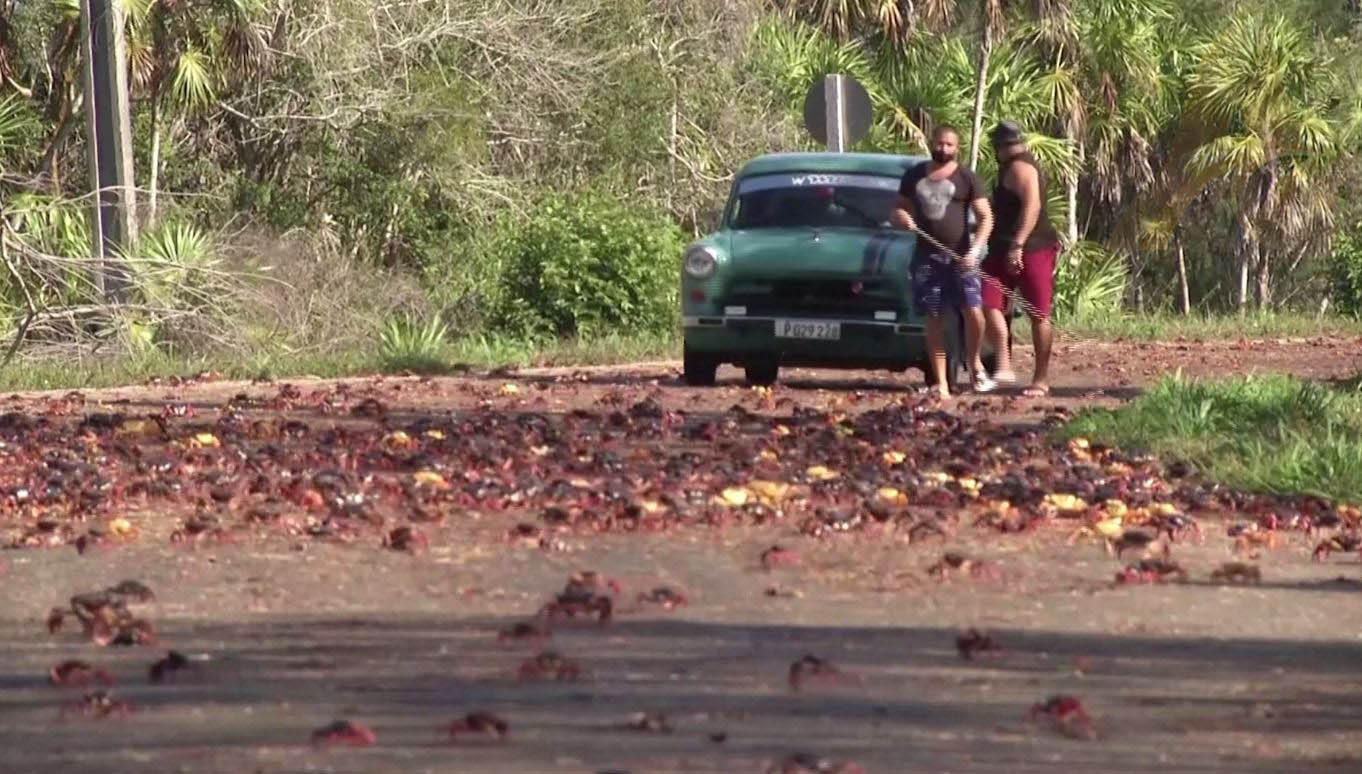
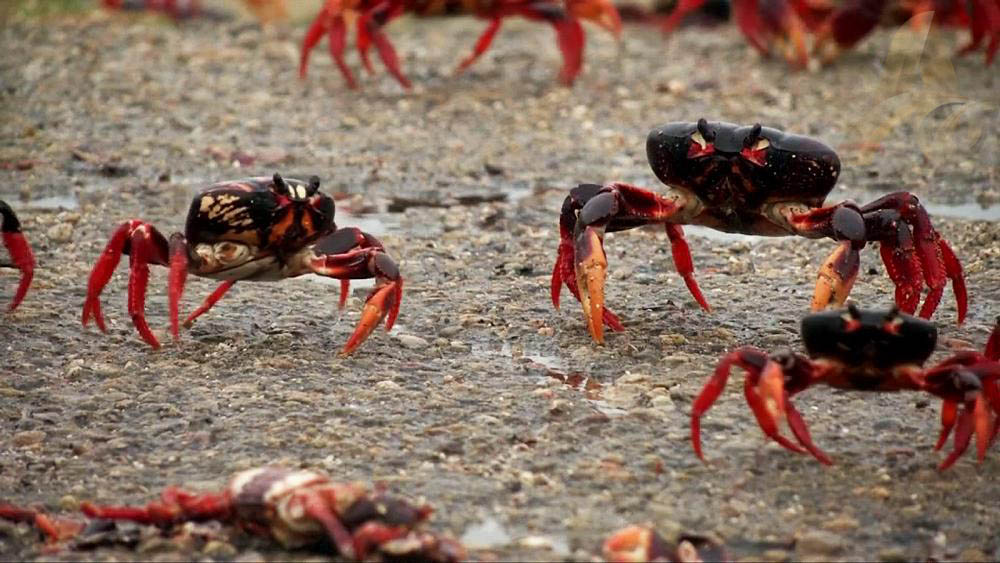
PHOTO: THOUSAND OF CRABS MIGRATING / CRABS CROSSING ROADS / VEHICLES CRUSHING CRABS ON THE ROAD / SOUNDBITES FROM RESIDENT, TOURIST AND LOCAL SCIENTIST / CRABS CLIMBING THROUGH ROCKS TO THE SEA